

Digital Justice Symposium concludes with a united call to action
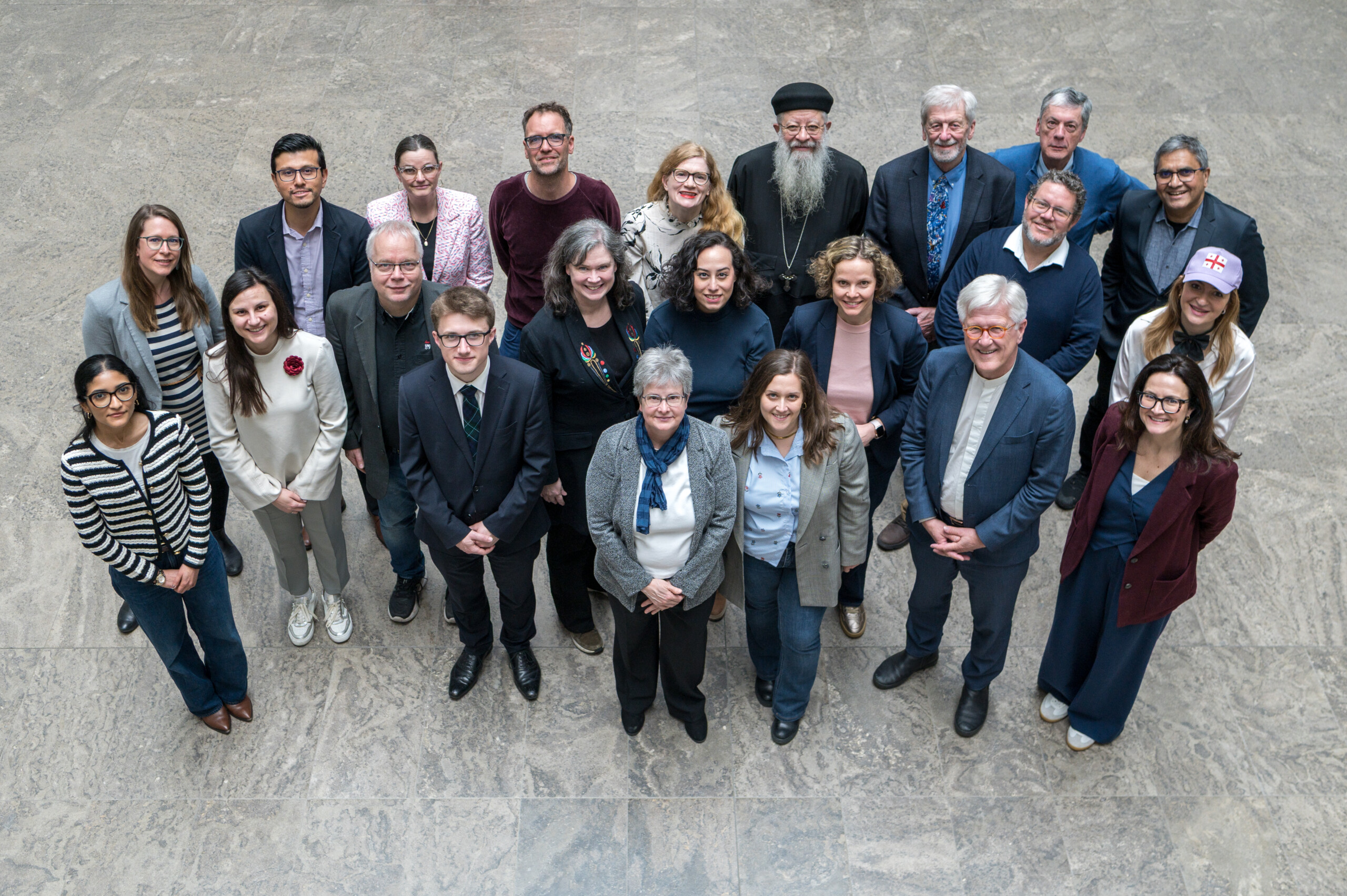
The World Student Christian Federation Europe took part in the international symposium “Our Common Future: Advocating for Digital Rights and AI Accountability,” held in Berlin on 14–15 April 2026.
The event brought together around 25 participants from ecumenical networks, churches, and civil society organisations to reflect on the growing ethical, social, and political challenges posed by digital technologies and artificial intelligence.
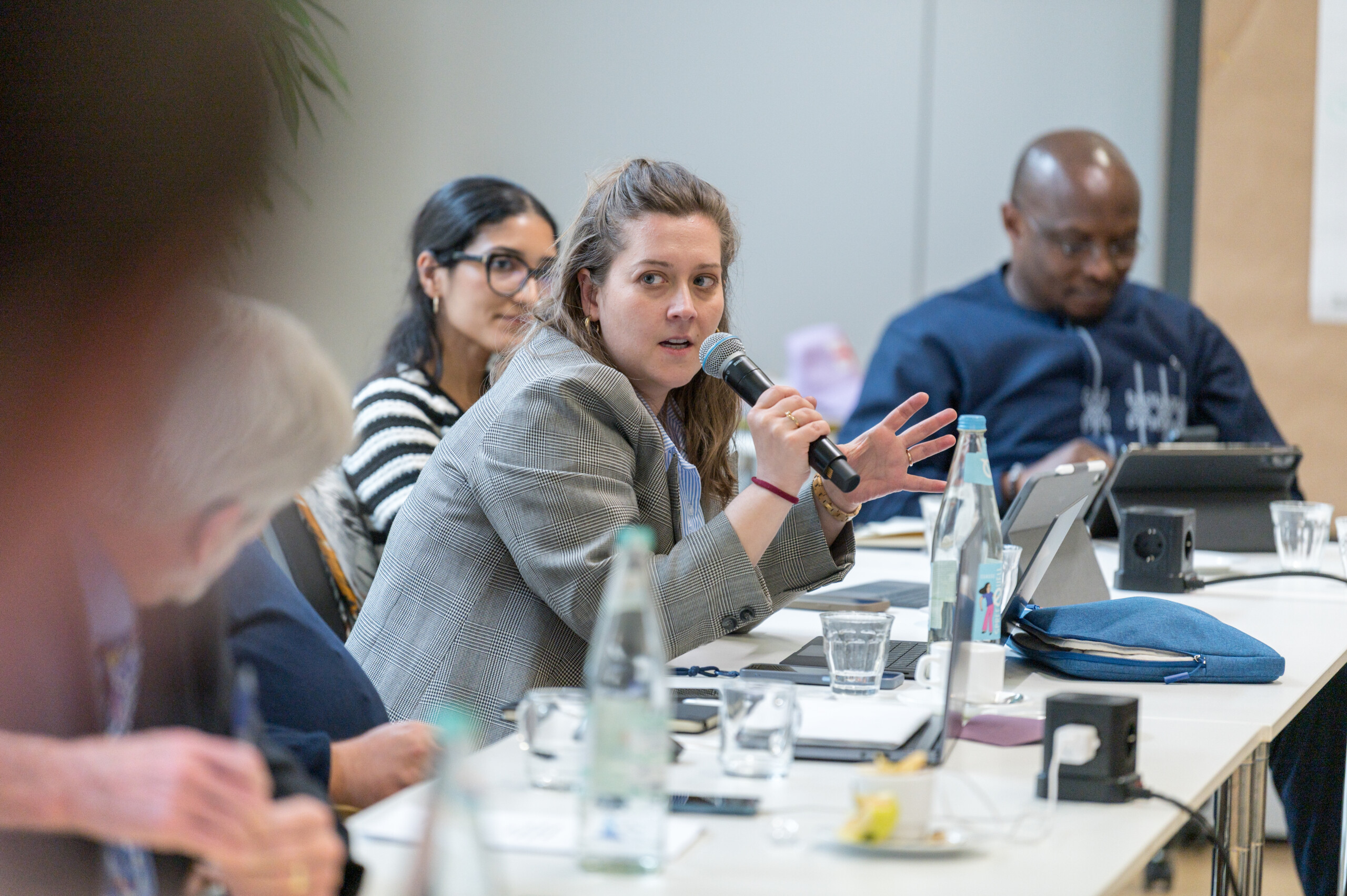
WSCF Europe was represented by Regional Secretary Serena Tiburtini, who contributed to discussions on the role of faith-based actors in shaping a just and accountable digital future. Reflecting on the complexity of the topic, she noted that digital justice is not only about the responsible use of AI, but also about transforming the structures that govern digital systems to ensure fairness and inclusion for all.
Addressing urgent ethical questions
A central contribution to the symposium was made by Christina Dahl Jensen—senior innovation and technology consultant at Tinkr and external lecturer at Roskilde University, Denmark—who presented the findings of her report developed for WACC along with concrete pathways for advocacy.
Her analysis underscored the urgency of strategic engagement: if faith-based and civil society actors do not act now, the future digital order risks drifting toward securitisation, corporate capture, or fragmented national approaches. At the same time, she highlighted that this moment offers a critical opportunity to shape global digital governance. By engaging proactively, it remains possible to embed dignity, justice, ecological responsibility, and accountability at the heart of emerging frameworks—at a time when governance norms are still being formed.
Throughout the symposium, participants also engaged with key concerns related to transparency, accountability, and power in the development of digital technologies. Particular attention was given to the limited public oversight in AI development and the growing influence of major technology companies.
Discussions emphasized that digital justice goes beyond access to technology—it also includes meaningful participation in shaping digital systems and ensuring that marginalized voices are heard.
A shared commitment to action
The symposium concluded with a joint commitment among participants to strengthen collaboration in advocacy, education, and networking for digital justice and AI accountability.
Participants identified key guiding questions to frame future engagement:
- Who benefits?
- Who knows?
- Who controls?
These questions will help orient ongoing work across churches, ecumenical bodies, and civil society actors as they respond to the rapidly evolving digital landscape.
The role of faith-based organisations
The gathering highlighted the unique role that churches and ecumenical organisations can play in contributing moral, ethical, and theological perspectives to debates on digital transformation. Faith communities were recognized as important actors in advocating for human dignity, justice, and accountability in the digital sphere.
WSCF Europe remains committed to engaging in these conversations and supporting young people and student movements in critically reflecting on digital justice and AI ethics.
🔗 Read more about the symposium here:
https://www.oikoumene.org/news/digital-justice-symposium-closes-with-joint-commitment-to-action
Photos: Albin Hillert/WCC
